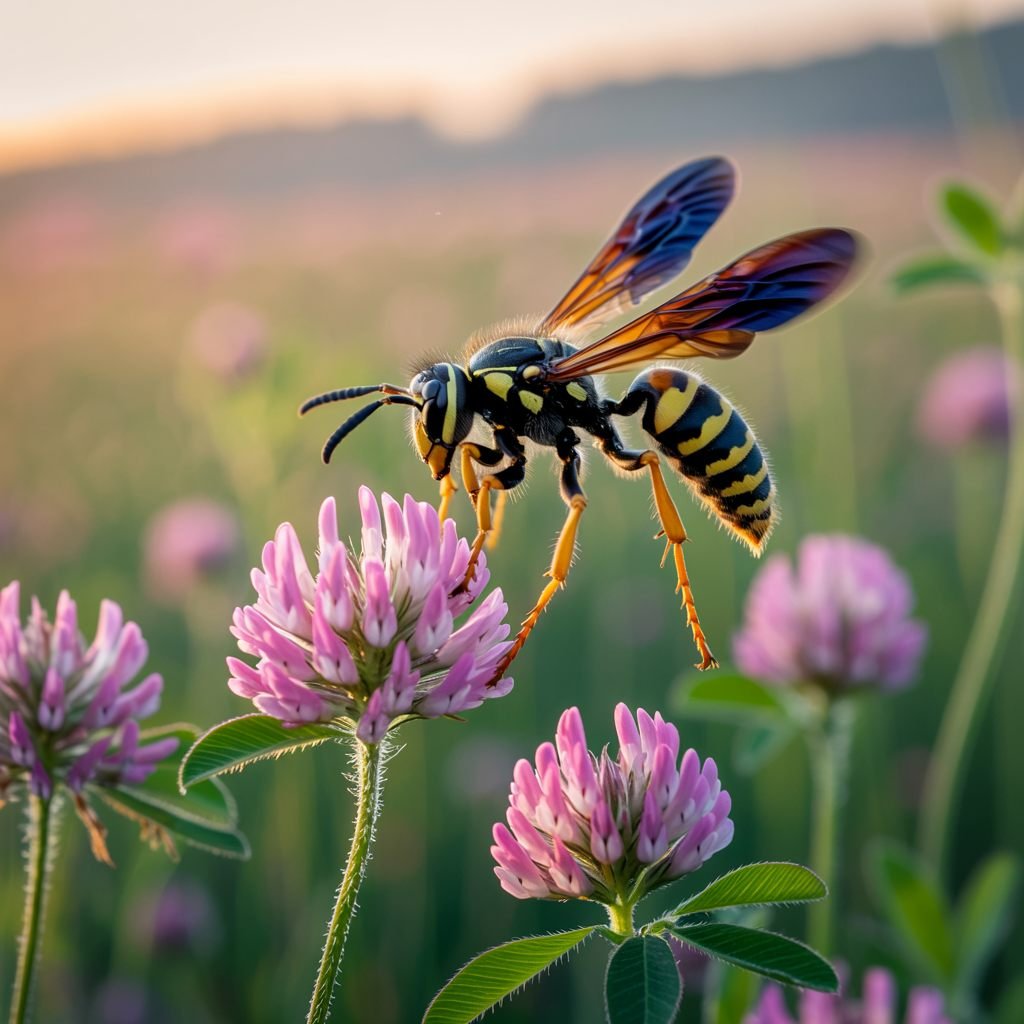
Stinging insects are a summer constant in Tallahassee, nesting under eaves, in shrubs, in wall voids and in the ground. Most are wasps or hornets that can be treated and removed. Honey bees are a different matter — they're valuable pollinators, and the responsible approach is relocation rather than extermination wherever possible. Knowing which you're dealing with is the first step.
What's nesting on your property?
Paper wasps
Umbrella-shaped open combs under eaves, railings, and in shrubs. Not usually aggressive unless the nest is disturbed, but a nest by a doorway or in a play area is a genuine hazard.
Yellowjackets
Aggressive and dangerous in numbers — they often nest in the ground or in wall voids, and a colony can hold thousands. Ground nests hit by a lawnmower are a common cause of multiple stings. These warrant professional removal.
Hornets
Large aerial nests (bald-faced hornets build the grey "paper" footballs) in trees and on structures. Highly defensive near the nest.
Carpenter bees
Large, shiny bees that bore round holes into fascia, decks and eaves. More of a wood-damage nuisance than a sting threat, but the damage accumulates year over year.
Honey bees: relocation, not extermination
If you have a true honey bee colony — a swarm cluster or an established hive in a wall or tree — we prioritize relocation. Honey bees are protected pollinators and killing them is both unnecessary and, for managed colonies, discouraged. We'll assess the situation and connect you with appropriate beekeeper relocation where it's a honey bee colony rather than a wasp nest. Correct identification prevents needlessly destroying beneficial insects.
Safe removal
Wasp and hornet removal is genuinely dangerous to attempt yourself — disturbing a large or hidden nest provokes mass stinging, and ground/void nests are easy to misjudge. Our technicians remove nests with proper protective equipment, treat the void or ground site so it isn't re-colonized, and remove the physical nest where accessible. For anyone with a sting allergy in the household, this is not a job to risk.
Have a nest by a door, in the ground, or in a wall? Book a free inspection and we'll identify it and remove it safely.
Ready for a free inspection?
Tell us what you're seeing. A licensed technician identifies the pest and the entry points and quotes an exact price — with no obligation.