“I keep seeing the same bugs no matter what I spray.”
Store-bought pesticides kill on contact but rarely reach nests behind walls, under slabs, or in wall voids — which is exactly where the colony actually lives.
Licensed, family-safe exterminators serving Tallahassee, Leon County & Wakulla County. Local pest control here typically runs $150–$200 per visit, or about $127 per quarterly treatment — lower than most of Florida because the Panhandle's pest pressure is milder than South Florida. Free inspection, guaranteed re-treatment if pests return.
Capital Shield Pest Control provides licensed Pest Control Tallahassee homeowners can actually rely on — treating ants, termites, roaches (including palmetto bugs), rodents, mosquitoes and spiders across Leon and Wakulla County.
Local pest control in Tallahassee typically runs $150–$200 per visit, or around $127 per quarterly treatment — lower than most of Florida, because the Panhandle's climate and pest pressure are milder than South Florida. That is the honest headline. The longer answer, which most companies skip, is why Tallahassee is genuinely different from Miami or Tampa, and why the treatment that works here is not the one written for the tropics.
Every job starts with a free inspection: a licensed technician identifies the pest, finds the entry points and conducive conditions, and quotes an exact number — not a phone guess. Effective Pest Control Tallahassee residents need is built around targeting the source (the colony, nest or breeding site), not just the bugs you can see.
If you have ever flicked on the kitchen light and watched something skitter under the fridge, or found small piles of wood shavings near a window frame, you are not imagining a bigger problem.
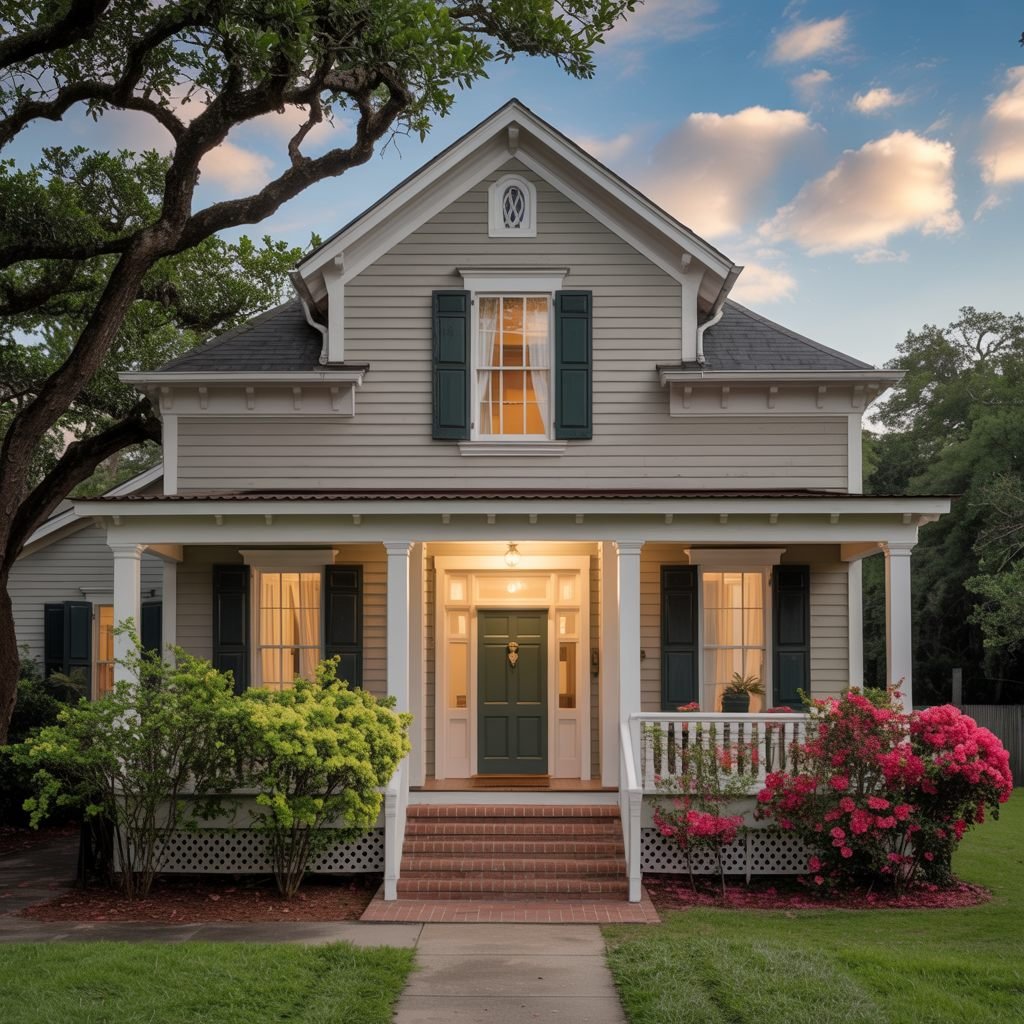
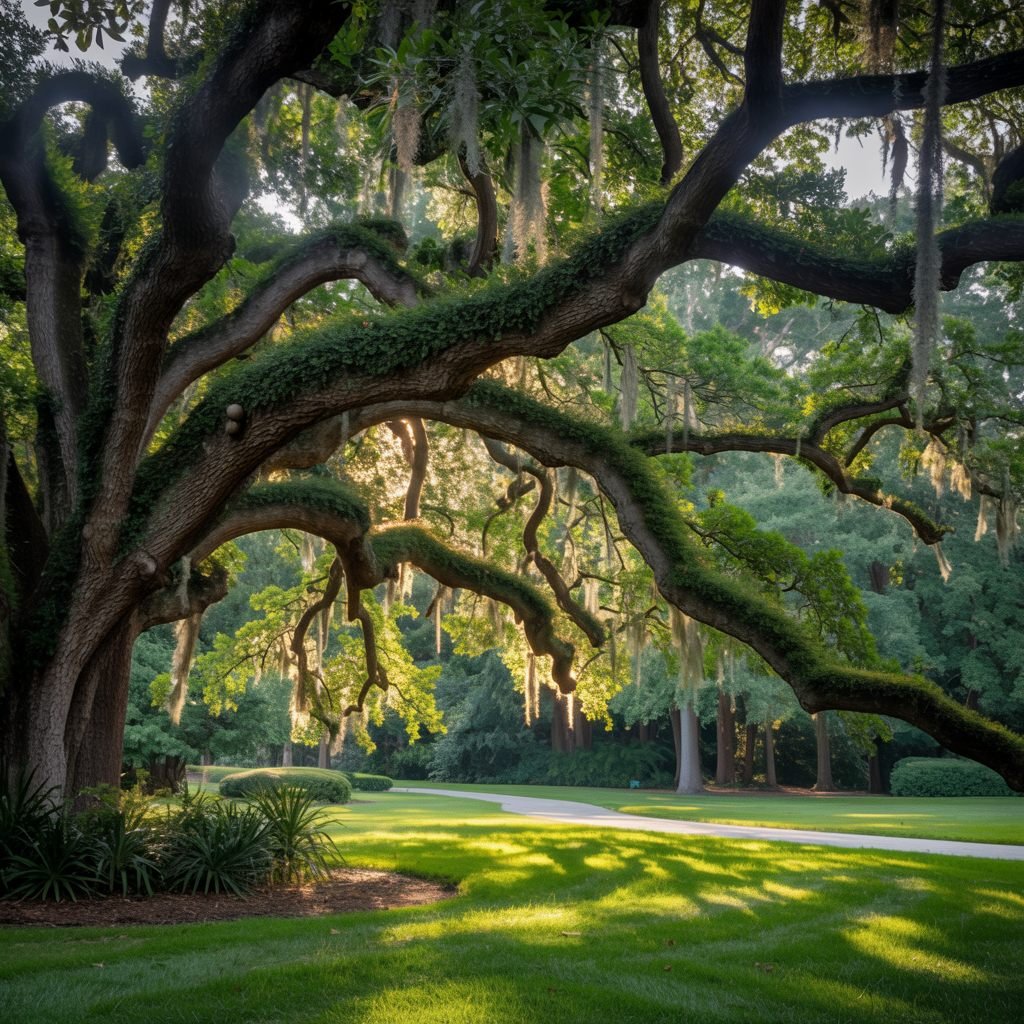
Tallahassee's humid subtropical climate, dense oak canopy and older housing stock in neighborhoods like Betton Hills and Myers Park create near-perfect breeding conditions almost year-round — not just in summer. Most homeowners try the DIY route first: store-bought sprays, boric acid, sticky traps. That is a reasonable instinct, and it does not mean you did anything wrong. The problem is that DIY treatments knock down what you can see while leaving the colony, nest or breeding source untouched. A few weeks later, the pests are back — often worse.
Store-bought pesticides kill on contact but rarely reach nests behind walls, under slabs, or in wall voids — which is exactly where the colony actually lives.
Some pests, like the outdoor Florida woods roach, are a temporary nuisance. Others, like German cockroaches or subterranean termites, are a structural or health issue. Knowing the difference matters — and most homeowners are never given that context.
One of the most common concerns we hear, and a fair one. Professional treatments are applied with product-specific safety protocols that store-bought sprays used without guidance simply don't have.
Tallahassee sits in the Florida Panhandle, not South Florida — and that distinction affects both your pest pressure and your wallet. Panhandle cities like Tallahassee and Pensacola see longer winter cold snaps than Miami or Tampa, so the species mix here more closely resembles Alabama and Georgia than tropical South Florida. That is a big part of why Pest Control Tallahassee pricing tends to run below the state average.
What doesn't change: Florida is one of the only states dealing with both subterranean and drywood termites — two different species requiring two different treatment approaches. Add Tallahassee's mature oak canopy, shaded lots and a large stock of older homes in Betton Hills, Myers Park and Killearn, and you have structures that are genuinely more termite-vulnerable than newer construction elsewhere in the state.
Leon County's mix of historic in-town neighborhoods, wooded suburbs and nearby rural Wakulla County communities — Crawfordville, Woodville — means pressure isn't uniform across the metro. A home near downtown deals with different pressures than a property backing up to woods near Wakulla.
See Tallahassee pricing in detailFour steps, in this order, every time. No one-size-fits-all spray-and-go.
A licensed technician walks your property, identifies the pest(s) present, and locates entry points and conducive conditions — not just the symptom you called about.
Your plan is built around what's actually on your property, your home's construction, and whether pets or children need specific product considerations. Nothing generic.
Exterior-first treatment where possible, so you don't need to be home. Interior treatment is scheduled with you directly when it's needed.
Quarterly service — or a schedule matched to your pest pressure — with free re-treatment between visits if pests return. That guarantee is the whole point.
Every pest gets its own approach. Here's what we handle across Leon and Wakulla County.
Florida faces both subterranean and drywood termites — two species, two treatment approaches. Tallahassee's oak canopy and older housing make annual inspection matter more here.
Learn moreTrail-forming sugar ants in kitchens and pantries, plus wood-damaging carpenter ants nesting in beams — both common across Tallahassee homes.
Learn moreNot every roach is the same threat. We separate the outdoor palmetto bug nuisance from a true German cockroach infestation — and treat accordingly.
Learn moreRats and mice enter through rooflines, crawl spaces and utility lines, chewing wiring and contaminating surfaces — a year-round risk in Florida's mild winters.
Learn moreFrequent rain and shaded, humid yards create standing-water breeding hotspots. We target the sources, not just the adults.
Learn moreMost Florida spiders are harmless and even helpful — but a few, like widow spiders, warrant caution and professional removal.
Learn moreOne of the hardest pests to fully eliminate. Our approach combines heat treatment and follow-up visits rather than a single spray.
Learn morePaper wasps, yellowjackets and hornets nest under eaves and in shrubs. We remove nests safely and advise on protected pollinators.
Learn moreWooded neighborhoods draw raccoons, squirrels and bats into attics and crawl spaces — bringing noise, damage and health hazards.
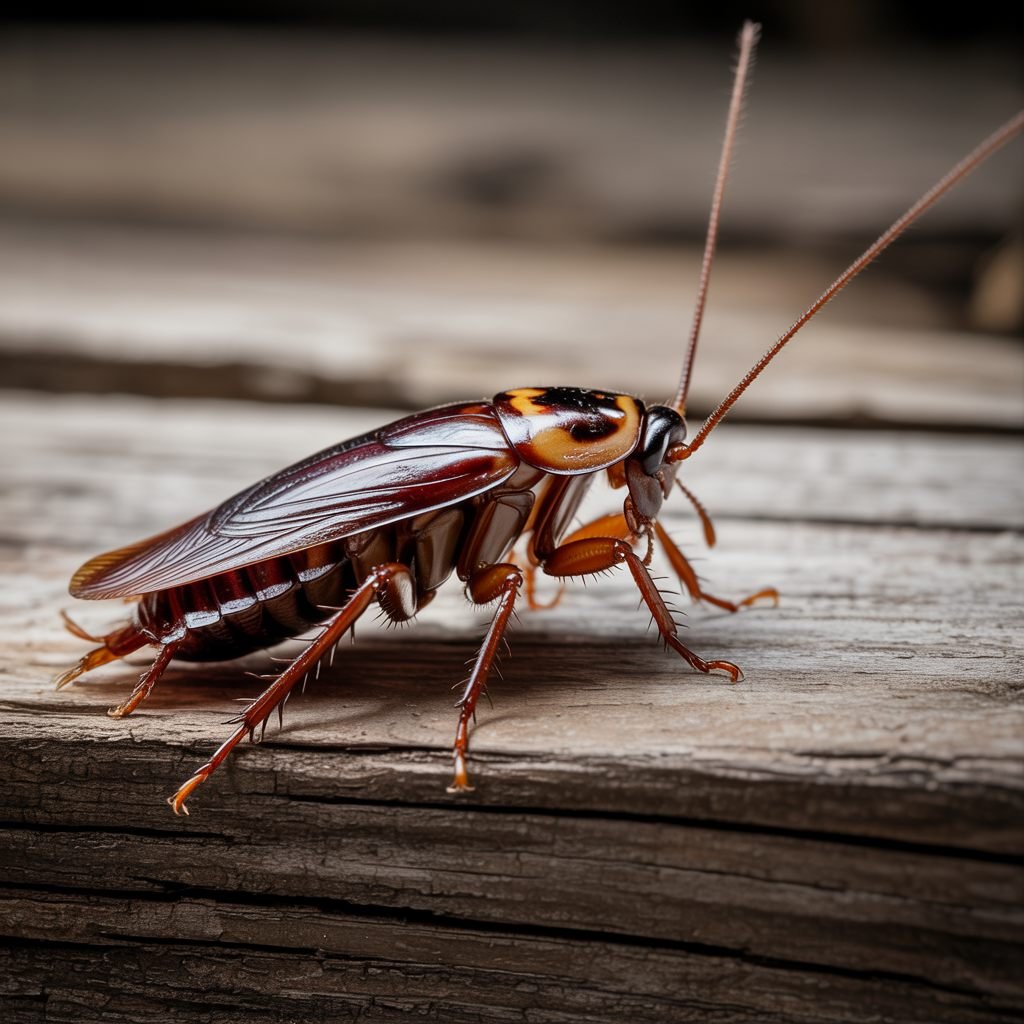
Learn moreThis is one of the most common points of confusion in Tallahassee, and almost no local company explains it clearly. “Palmetto bug” is a regional nickname, not a species — it's used for the Florida woods roach, the American cockroach and the smokybrown cockroach.
Here's the part that matters: the outdoor Florida woods roach doesn't establish indoor infestations. It needs a consistently moist outdoor environment to survive, so if you see one inside occasionally, it's usually a temporary visitor — not evidence of a structural problem, and it causes no damage to your home.
German cockroaches are a different story entirely. They're a true indoor-infesting species — smaller, light brown, with two dark stripes — and they reproduce fast enough that a small population becomes a full infestation within weeks. If you're seeing roaches repeatedly in the kitchen or bathroom, especially small light-brown ones, that's the species that needs professional intervention.
Seeing bugs doesn't mean your house is dirty. Roaches move through shared walls in apartments and multi-unit housing regardless of how clean any individual unit is. Sanitation helps prevent infestations, but it isn't the only factor — and it's not a reflection of you.
Because Florida rarely gets cold enough for a true “off-season,” quarterly service — not a single annual treatment — is the standard recommendation here.
Warmth and rainfall stimulate ant colony activity, termite swarms, and the start of mosquito breeding season around residential properties.
Hot, humid conditions intensify mosquitoes, roaches, spiders and wasps — especially near irrigated landscaping and shaded structures.
Cooling temperatures drive rodents and roaches indoors seeking shelter, while spiders expand outdoor webs around entry points.
Florida's mild winters mean termites and ants often stay active rather than going dormant, while rodents keep seeking stable indoor shelter.
No surprises. Tallahassee sits on the lower end of Florida's pricing range — here's roughly where you'll land.
Because the Panhandle's winters run longer and cooler than South Florida's, the pest species mix here is less aggressive year-round — which keeps typical Pest Control Tallahassee pricing below the state average. The only way to get an accurate number for your specific home is a free inspection: square footage, pest type and infestation severity all factor in.
| DIY | National Chain | Capital Shield | |
|---|---|---|---|
| Treats the source (nest/colony), not just visible bugs | Rarely | Sometimes | Yes |
| Local Tallahassee & Panhandle pest knowledge | N/A | Generalized playbook | Yes |
| Same-day, local phone support | N/A | Often out-of-state call center | Yes |
| Free re-treatment if pests return | No | Varies, often upcharged | Yes |
That local difference is the entire argument for choosing Pest Control Tallahassee specialists over a national brand reading from a script written for a different climate. A chain technician may never have seen a drywood termite gallery in a century-old Myers Park bungalow, or known that a Florida woods roach on the porch is harmless while a striped roach in the pantry is not. Local Pest Control Tallahassee expertise is not a marketing slogan — it is the difference between treating the actual problem and simply spraying around it, and it is why our customers stop calling multiple companies and finally get a result that lasts.
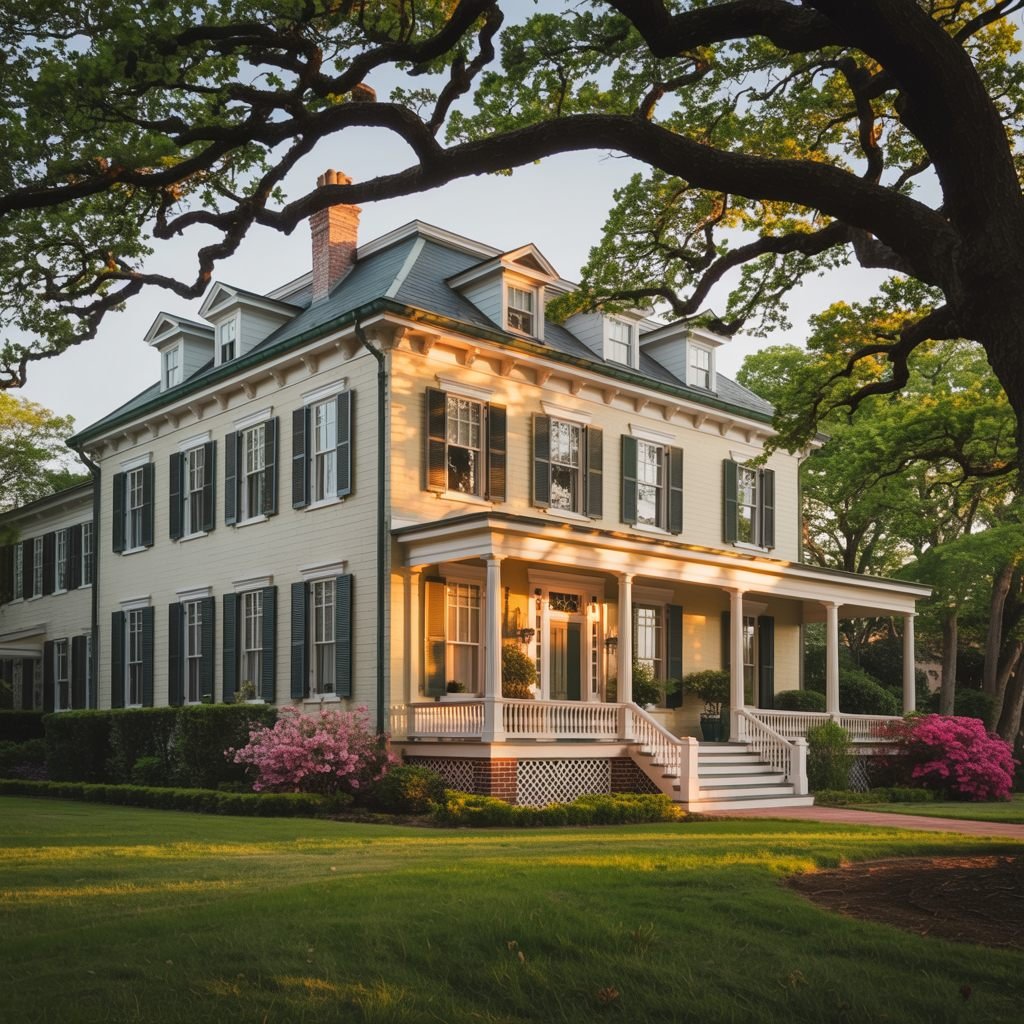
The biggest difference between a good and a bad pest control experience isn't the product in the tank — it's whether the person applying it understands your specific home and your specific pest. A national chain sends whoever is nearest with a generalized playbook. Choosing local Pest Control Tallahassee specialists means the technician already knows how a 1960s Betton Hills crawl space behaves, why Killearn's oak-shaded lots draw more mosquitoes, and how Wakulla County's wooded properties differ from an in-town Midtown apartment.
We built this company on the belief that Pest Control Tallahassee residents deserve is honesty first: telling you when a palmetto bug sighting is nothing to worry about, and when a termite mud tube genuinely is. If you only remember one thing, make it this — treat the source, not the symptom, and the pests stop coming back.
“Found what looked like mud tubes in the crawl space of our 1960s home and feared the worst. Their inspector confirmed subterranean termites, applied a liquid barrier, and set up annual monitoring. Clear, no scare tactics, and the price was exactly what they quoted.”
“Scratching in the attic every night turned out to be rats coming in by a roofline gap near one of our big oaks. They sealed the entry points, trapped what was inside, and it's been silent since — and they actually showed me photos of where they were getting in.”
“German roaches in our older Midtown apartment kept coming back after we tried store sprays. They baited, coordinated with the unit next door, and after a couple of visits they were finally gone. One rescheduling hiccup early on, but they owned it.”
“We couldn't use our backyard in the evenings — the mosquitoes were relentless. Their yard treatment made a huge difference within days, and they hit the standing-water spots I hadn't even thought about. We're finally back on the patio.”
“On the quarterly plan for two years now — no more ants marching across the kitchen, no more palmetto bugs by the door. Same technician every visit, always on time, and never pushy about add-ons. Exactly what I wanted.”
“Palmetto bugs kept getting in around the garage and the plumbing lines. They found the gaps, sealed them, and set up a perimeter treatment. Haven't seen one inside since — and they were genuinely kind about how much the things gross me out.”
Most homeowners pay $150–$200 for a one-time visit or around $125–$150 per quarterly treatment. Tallahassee pricing runs below the Florida average because the Panhandle's milder pest pressure keeps costs lower than South Florida.
Between the two toughest offenders, bed bugs are typically harder to fully eliminate — often requiring heat treatment and multiple visits — while German cockroaches are more likely to return if moisture and clutter issues aren't addressed alongside treatment.
“Palmetto bug” is a regional nickname for a few different roach species, most commonly the outdoor Florida woods roach, which doesn't infest homes the way German cockroaches do. Seeing one occasionally isn't the same problem as a true indoor infestation.
Yes. Activity rises across spring and summer as warmth and rainfall increase ant, termite and mosquito activity, while fall and winter push rodents and roaches indoors seeking shelter.
No. Pests move through shared walls, foundations and neighboring units regardless of individual cleanliness. Sanitation reduces risk but isn't the only factor — this is one of the most common and unnecessary sources of homeowner worry we hear.
Yes, when applied by licensed technicians using product-specific safety protocols — one of the clearest advantages professional treatment has over store-bought sprays used without guidance.
Usually not. Exterior treatments are typically scheduled without requiring you to be present; interior visits or termite inspections are scheduled directly with you.
Reliable Pest Control Tallahassee coverage across the metro and into rural Wakulla — from historic in-town neighborhoods to wooded suburban lots. Pick your area for local detail.
Tell us what you're seeing and where. We reply the same business day — no obligation, no contract, and a guaranteed re-treatment if pests come back.
Or call now: (850) 555-0143