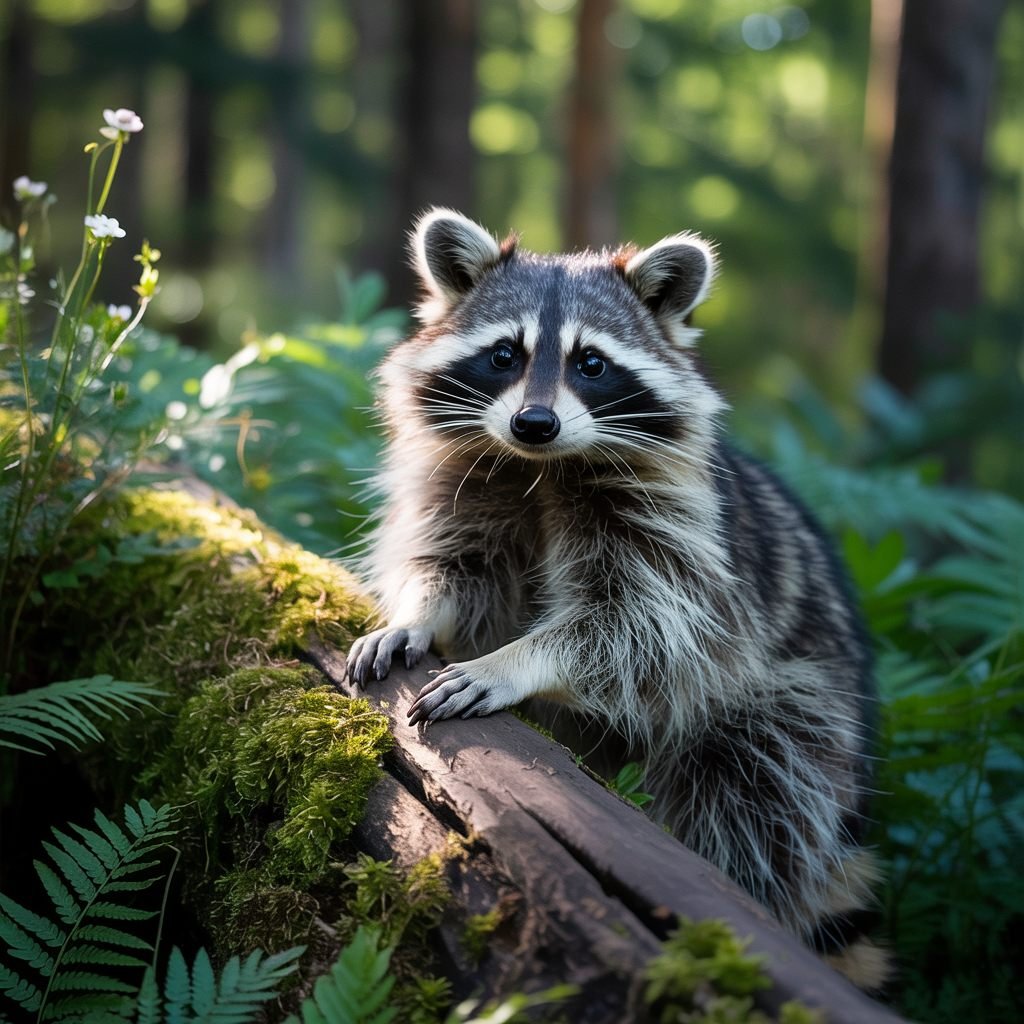
Tallahassee's mature tree canopy and wooded neighborhoods are exactly why people love living here — and exactly why wildlife ends up in attics and crawl spaces. Raccoons, squirrels and bats treat a warm, dry attic as prime real estate, and once in they bring noise, structural damage, contamination and real health hazards that go well beyond an insect problem.
The animals we handle
Raccoons
Strong, clever and destructive. They tear into soffits and roof vents, use attics as denning sites (especially females with young in spring), and their droppings can carry roundworm and other pathogens. A raccoon in the attic is not a wait-and-see situation.
Squirrels
The most common attic invader in wooded Tallahassee neighborhoods. They enter along rooflines and through gaps, gnaw constantly — including on wiring, a fire risk — and cache nesting material. You'll usually hear them in the daytime, unlike rats.
Bats
Bats are ecologically important and legally protected, which makes them a specialized job. Florida law restricts when exclusion can be performed (there's a maternity season when it's prohibited), and bat guano poses a histoplasmosis risk. Bats require a licensed, law-compliant exclusion approach — never a DIY one.
Removal, exclusion, and cleanup
Effective wildlife work is three stages, and skipping any one of them means the animals come back:
- Humane removal — live trapping or one-way exclusion devices appropriate to the species and season, keeping young with mothers where relevant.
- Exclusion — sealing the entry points (roof vents, soffit gaps, fascia, chimney) with materials that hold up, so the next animal can't move in.
- Cleanup & sanitation — removing contaminated insulation and droppings, and decontaminating — because raccoon and bat waste carry genuine health risks, and lingering scent attracts the next animal.
Why this isn't a DIY job
Beyond the legal restrictions on bats, wildlife removal carries bite and disease risk, and improperly done exclusion can trap young animals inside walls — an outcome that's both inhumane and a serious odor problem. Cornered raccoons are dangerous. This is genuinely specialized work.
Hearing scratching, thumping or scurrying overhead, or seeing damage to your roofline? Book a free inspection and we'll identify the animal, the entry points, and the right lawful approach. If the noise turns out to be rats or mice rather than wildlife, see our rodent control page.
Ready for a free inspection?
Tell us what you're seeing. A licensed technician identifies the pest and the entry points and quotes an exact price — with no obligation.