You found sawdust near a windowsill or heard a faint rustling in a wall, and now you're facing two very different problems: carpenter ants or termites? Both damage wood in a Tallahassee home, but they do it in completely different ways and need completely different treatments. Here's how to tell them apart before you spend money on the wrong fix.
The core difference: eating vs. excavating
Termites eat wood — they consume the cellulose for food, tunneling through the grain. Carpenter ants don't eat wood — they excavate it to build nests, chewing out smooth galleries and pushing the debris out. That single distinction drives everything else.
Look at the "sawdust"
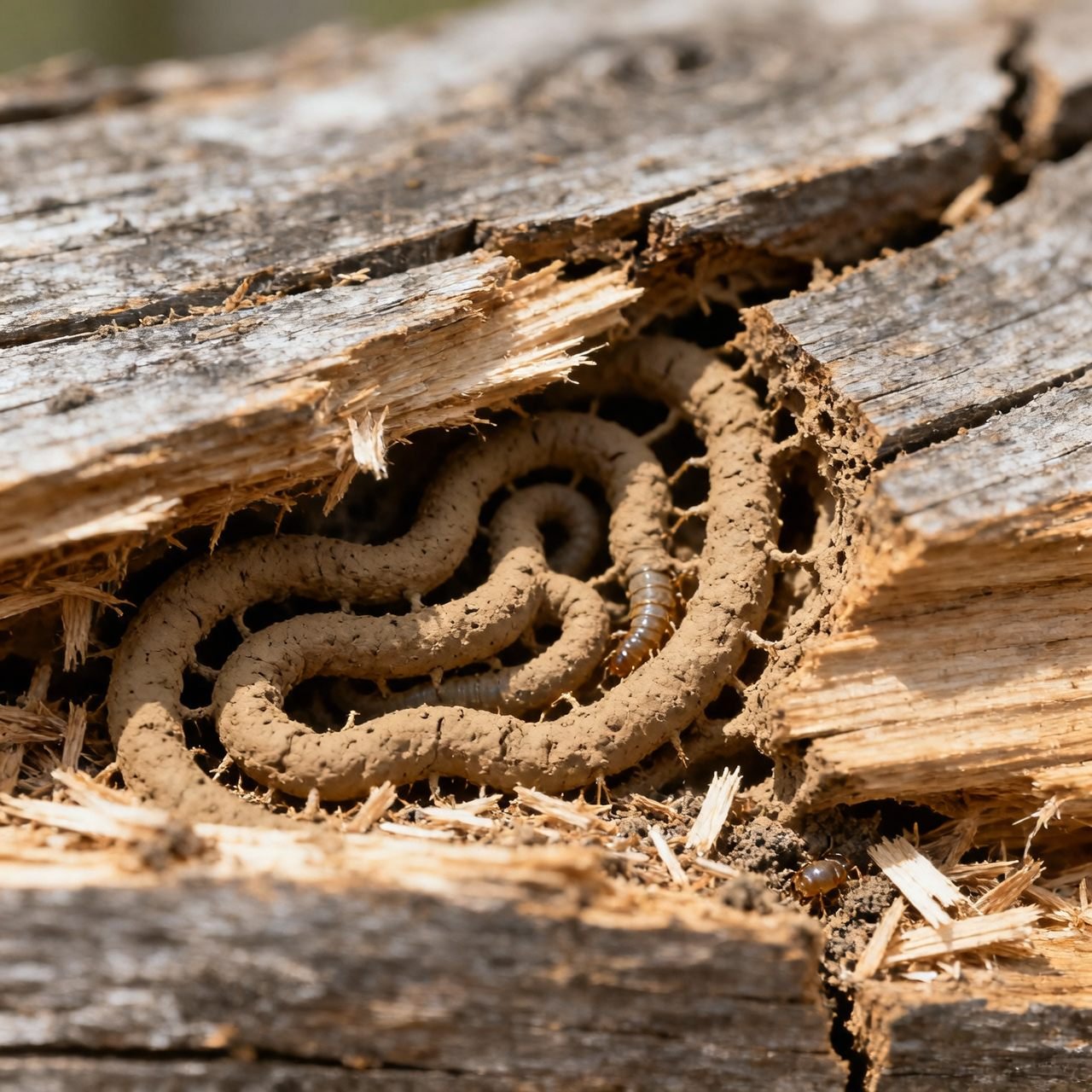
The debris tells the story. Carpenter ants leave frass — coarse, sawdust-like shavings mixed with insect parts and dead ants. Subterranean termites leave mud (in tubes and galleries); drywood termites leave hard, ridged pellets like coffee grounds. Clean wood shavings with ant parts = carpenter ants. Uniform pellets or mud tubes = termites.
Look at the insect
| Carpenter ant | Termite | |
|---|---|---|
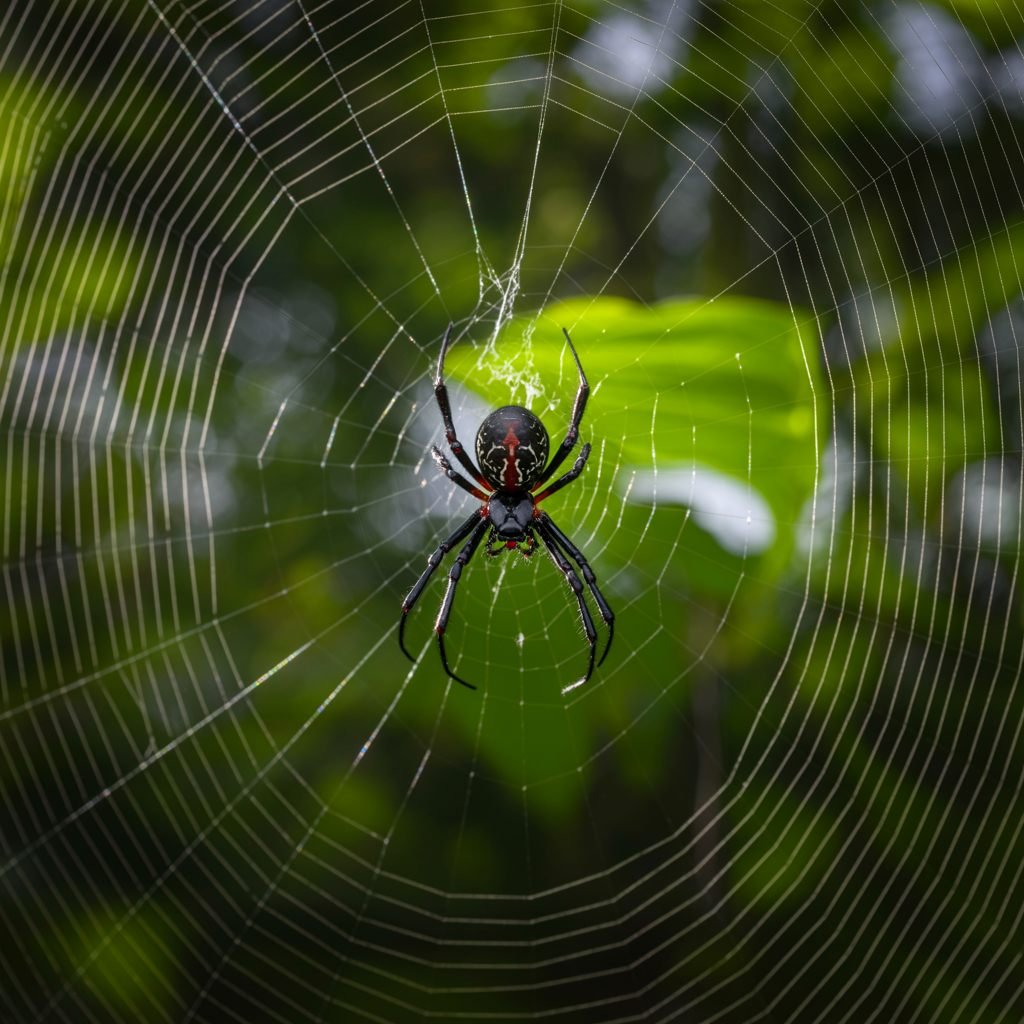
| Waist | Pinched, narrow | Straight, no waist |
| Antennae | Bent (elbowed) | Straight |
| Color | Usually dark/black | Pale, creamy (workers) |
| Wings (swarmers) | Front longer than back | Four equal-length |
Which is more urgent?
Termites are generally the bigger structural threat — large colonies that can compromise framing — which is why they warrant fast action and annual inspection in Tallahassee. Carpenter ants damage wood more slowly, but they carry an important clue: they nest in moist or damaged wood, so a carpenter ant nest often points to a hidden moisture problem worth fixing.
When in doubt, get it checked. In Tallahassee it's always worth ruling termites out — the treatments are different, and using ant products on termites (or vice versa) wastes money while the real problem continues.
Quick answers
Do carpenter ants cause as much damage as termites?
Usually less and more slowly, since they excavate rather than eat wood — but a large, long-established nest can still cause real damage, and it flags a moisture issue.
I see big black ants indoors — carpenter ants?
Large dark ants, most active at night, with sawdust piles nearby, strongly suggest carpenter ants. An inspection confirms the nest location.
Found sawdust and not sure which you have? Book a free inspection and we'll identify it and match the treatment — see termite control.
Dealing with this pest right now?
A free inspection identifies the pest, the entry points and an exact quote — in writing, with no obligation.