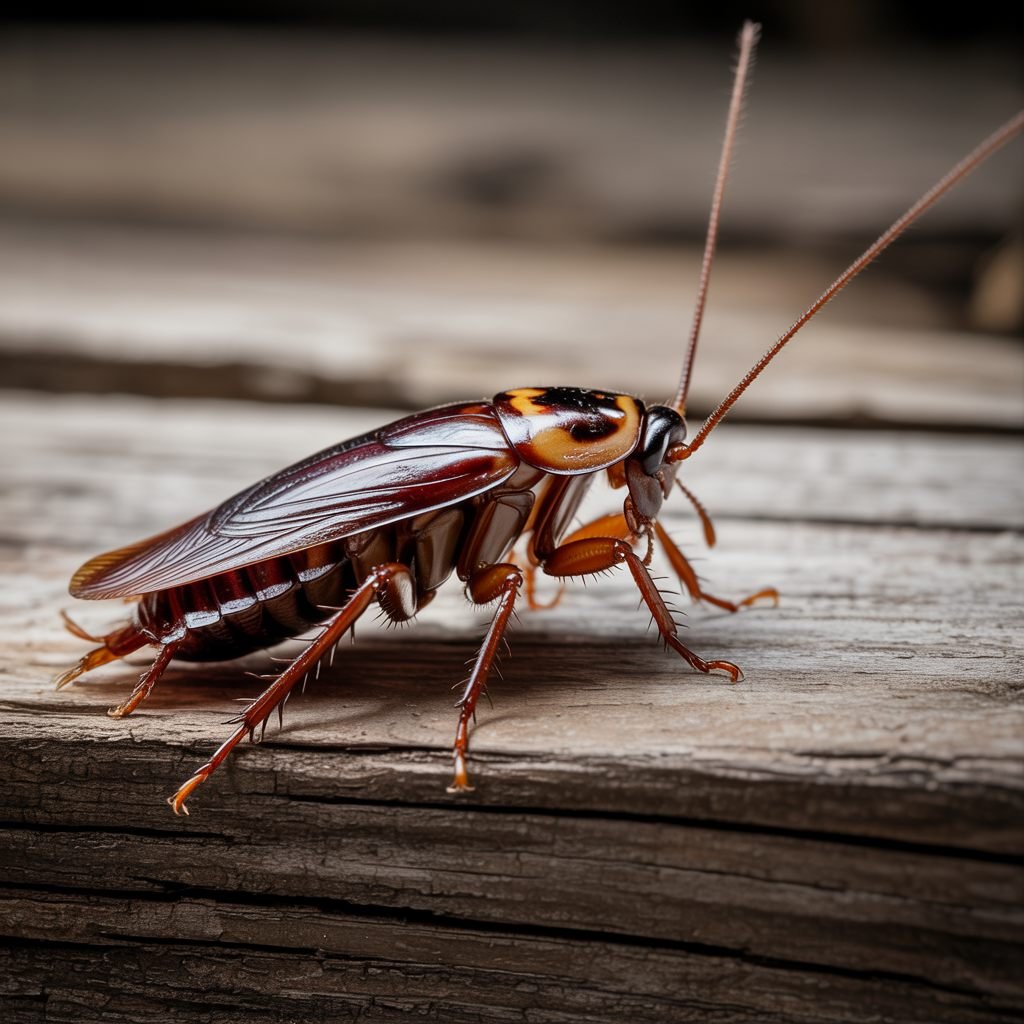
If you're seeing small, light-brown roaches in your kitchen or bathroom — especially several, or in daylight — you're likely dealing with German cockroaches, and they're a very different problem from the big palmetto bugs that wander in from outside. German roaches breed indoors, multiply fast, and are the single hardest household roach to clear on your own.
Why they're so persistent
A German roach problem grows quickly because one female and her offspring can produce hundreds of roaches in a few months, and they hide in warm, moist harborage you can't easily reach — behind and under appliances, in cabinet voids, around plumbing, in cracks near the stove and dishwasher. What you see is a fraction of the population.
Why store sprays make it worse
Here's the trap: spraying visible roaches with a repellent product kills a few, scatters the rest deeper into voids, and does nothing about the egg cases (each holding ~30+ eggs). You feel like you're doing something while the population keeps compounding. Foggers are worse — they push roaches into wall voids and shared walls.
The real fix is baiting. Professional gel baits are carried back to the harborage and passed through the population, reaching the roaches you never see — including via a grim-but-effective chain through droppings and cannibalism. Baiting plus sanitation is what actually clears German roaches.
What actually clears them
- Targeted gel baiting placed in the harborage zones, not sprayed across surfaces (spray residue can even make roaches avoid bait).
- Sanitation — deny food and water. Clean grease under and behind appliances, fix leaks, dry sinks at night, store food sealed, take out trash.
- Follow-up visits timed to catch newly hatched roaches from egg cases the first treatment couldn't reach.
- Address shared walls in apartments and duplexes — German roaches travel between units, so a neighbor's problem becomes yours. See our Midtown notes on rental buildings.
Where German roaches come from
They don't reflect a dirty home — they hitchhike in on grocery bags, cardboard, secondhand appliances and furniture, and travel between apartments. Once in, warmth, moisture and food let them multiply. See German roaches vs palmetto bugs.
Quick answers
How do I know it's German roaches and not palmetto bugs?
German roaches are small (about half an inch), light brown with two dark stripes behind the head, and stay indoors in kitchens and bathrooms. Palmetto bugs are large and come from outside.
Can I get rid of German roaches myself?
A very early, tiny problem sometimes, with careful baiting and strict sanitation. An established population almost always needs professional baiting and follow-up — they multiply faster than DIY usually keeps up with.
How long does it take?
Typically a few weeks with follow-up, because you have to outlast the egg cases hatching.
Seeing small roaches multiply? Book a free inspection and we'll bait the harborage and clear them — see cockroach control.
Dealing with this pest right now?
A free inspection identifies the pest, the entry points and an exact quote — in writing, with no obligation.