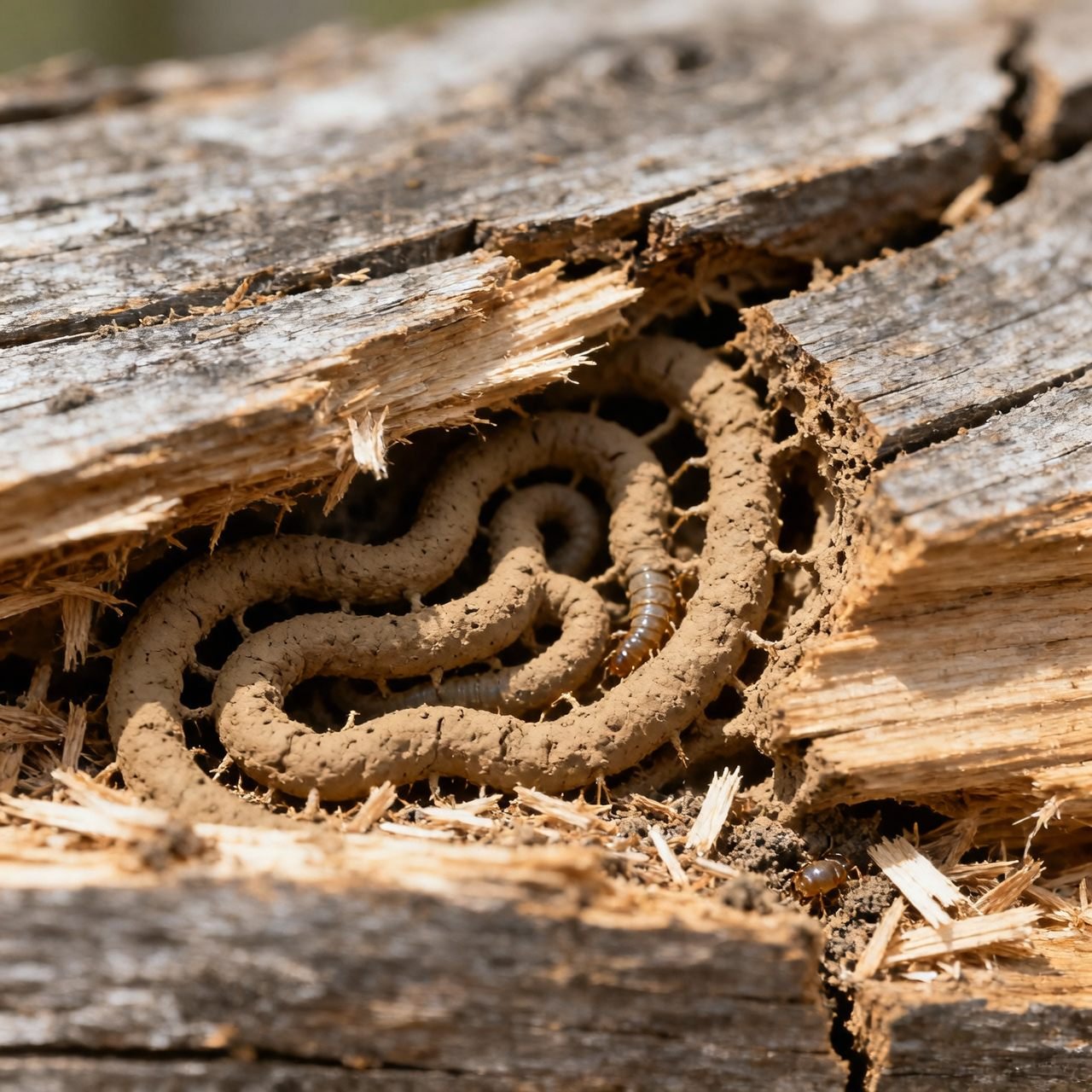
Risk level: high (structural damage; can infest anywhere in a home). Drywood termites are the second Florida termite, and they behave completely differently from subterranean termites.
How to identify their activity
- Frass: small, hard, ridged pellets (like sawdust or coffee grounds) piling up beneath infested wood — the signature sign.
- Kick-out holes: tiny holes in wood surfaces where termites push frass out.
- Swarmers: winged reproductives, often larger than subterranean swarmers.
- Where: anywhere in the home — attics, furniture, trim, framing, hardwood floors — no soil contact needed.
Why they matter
Because drywood termites get moisture from the wood itself, they can establish far from the ground — in an attic beam or a piece of antique furniture. Colonies are smaller and slower than subterranean, but they can be widespread through a structure, and older Tallahassee homes with abundant exposed wood are prime targets.
What to do
Treatment depends on extent: localized/spot treatment for limited, accessible infestations, or whole-structure fumigation (tenting) when they're throughout the home. Soil barriers do nothing against drywood termites — which is why identifying the species first is essential. See termite control, treatment cost, or book a free inspection.
Ready for a free inspection?
Tell us what you're seeing. A licensed technician identifies the pest and the entry points and quotes an exact price — with no obligation.
More in the pest library
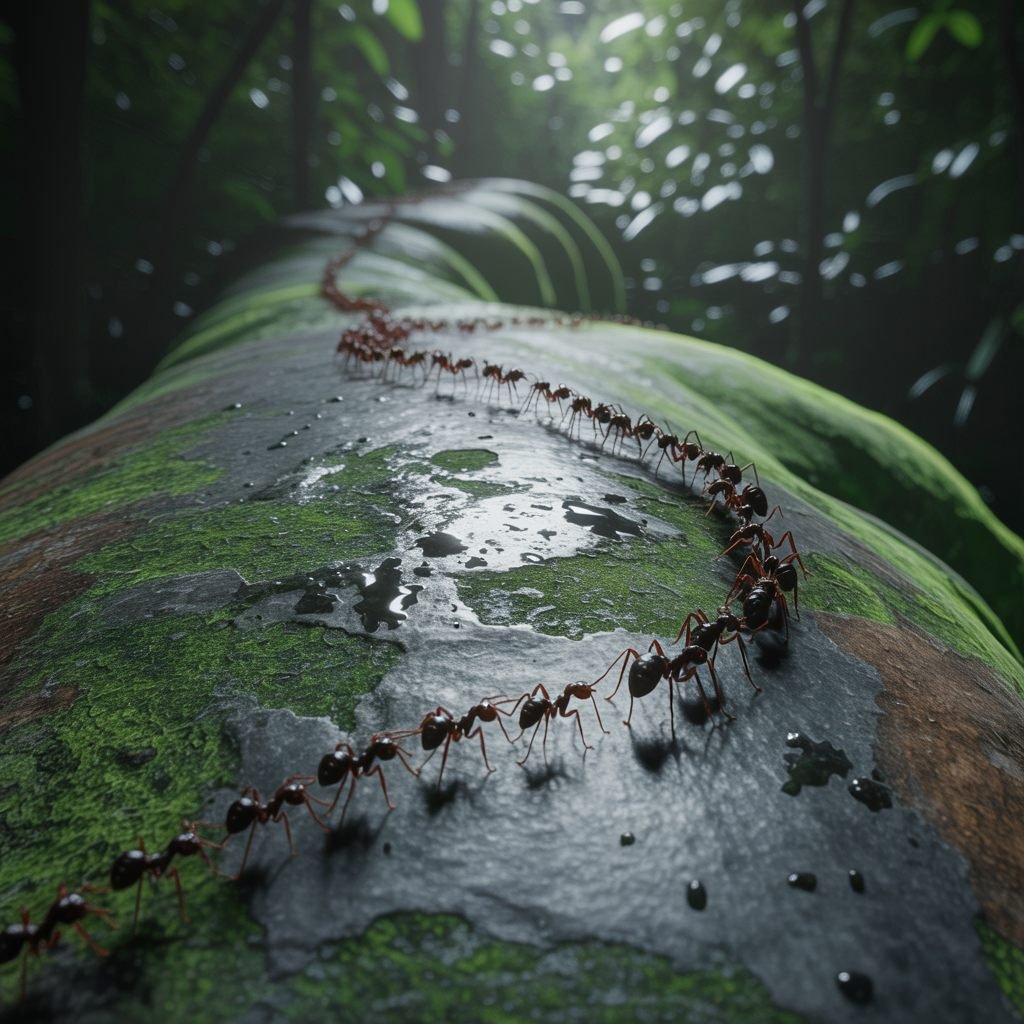
Fire Ants
Reddish-brown stinging ants that build dome-shaped mounds in sunny yards. Their sting is p
Carpenter Ants
Large dark ants that excavate galleries in moist or damaged wood. They don't eat wood like
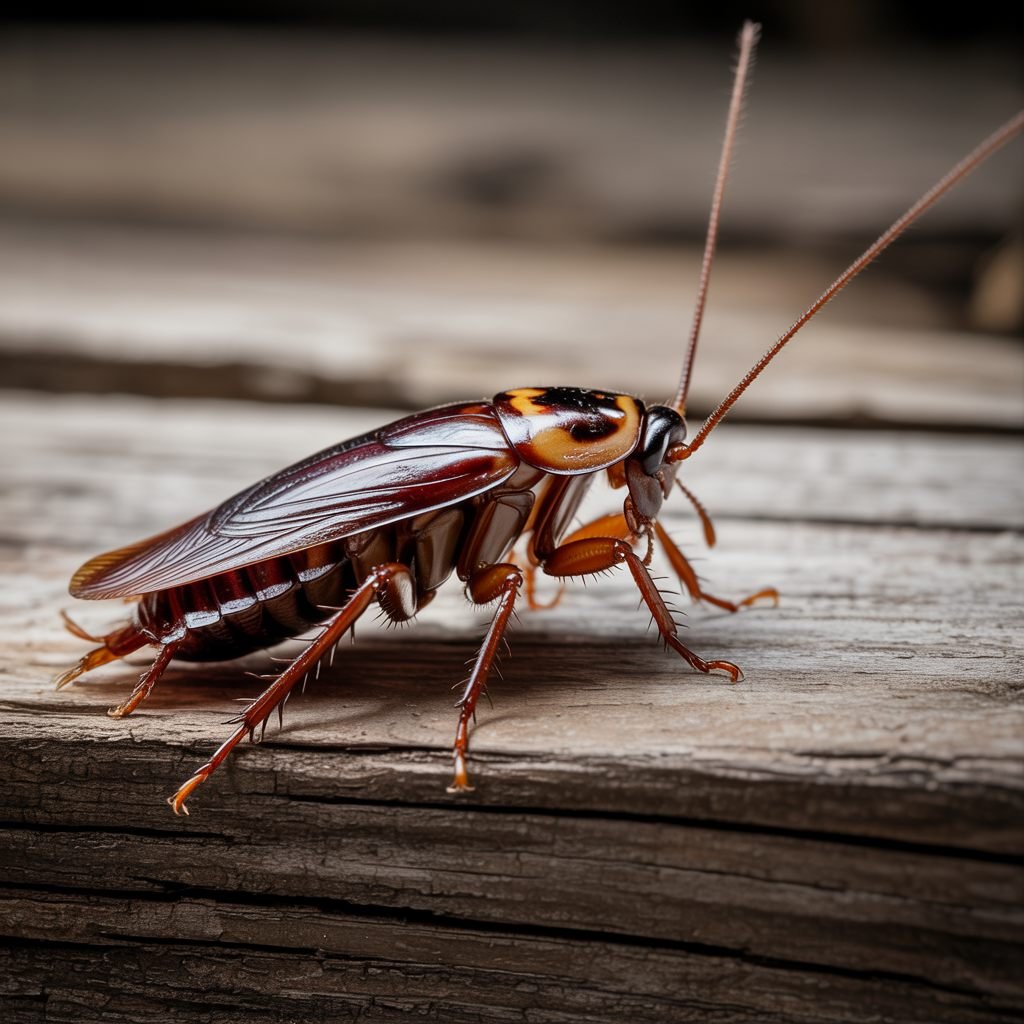
German Cockroach
Small, light-brown, two dark stripes. The true indoor-infesting roach — it breeds fast and
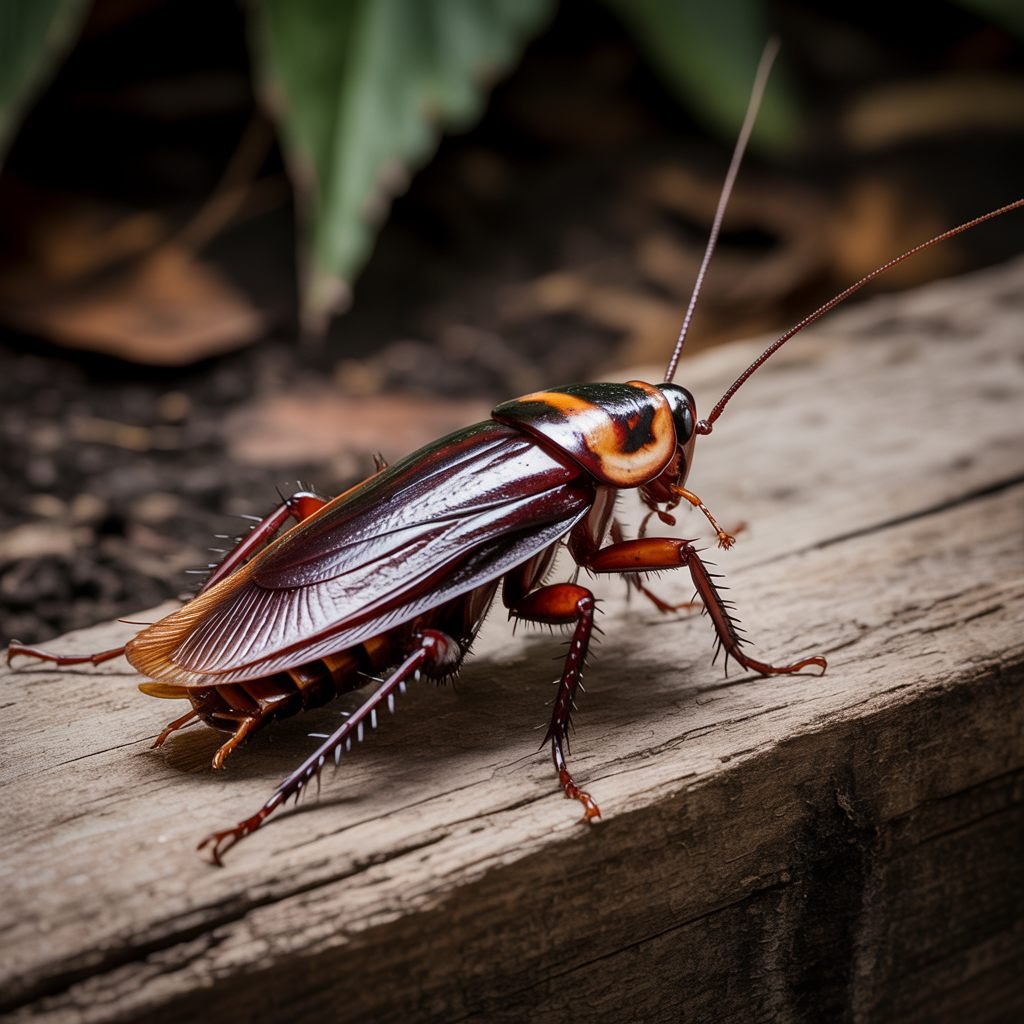
Florida Woods Roach
The large outdoor roach everyone calls a “palmetto bug.” Harmless, doesn't infest homes, a
Subterranean Termite
Soil-dwelling termites that build mud tubes to reach your home. The most common and most d
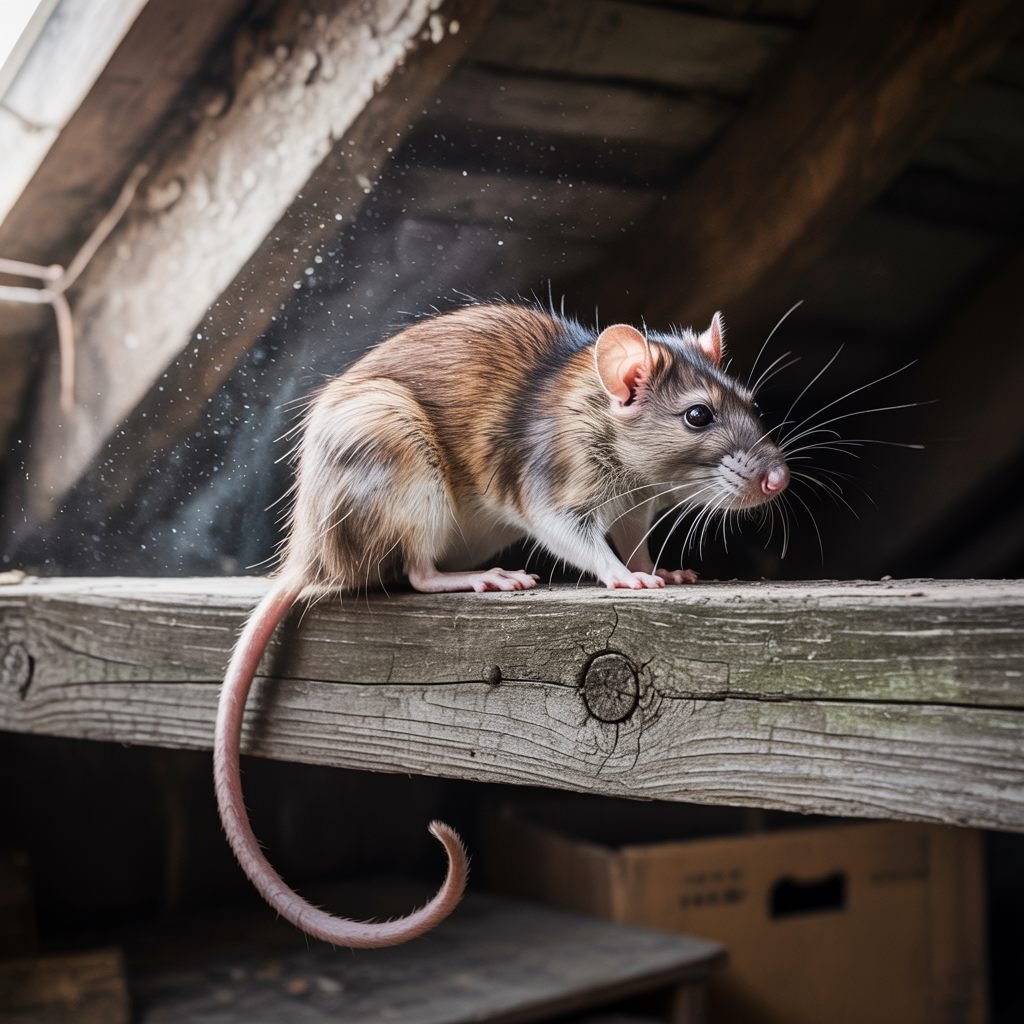
Roof Rat
The dominant rat in the Southeast — a skilled climber that enters high along rooflines and