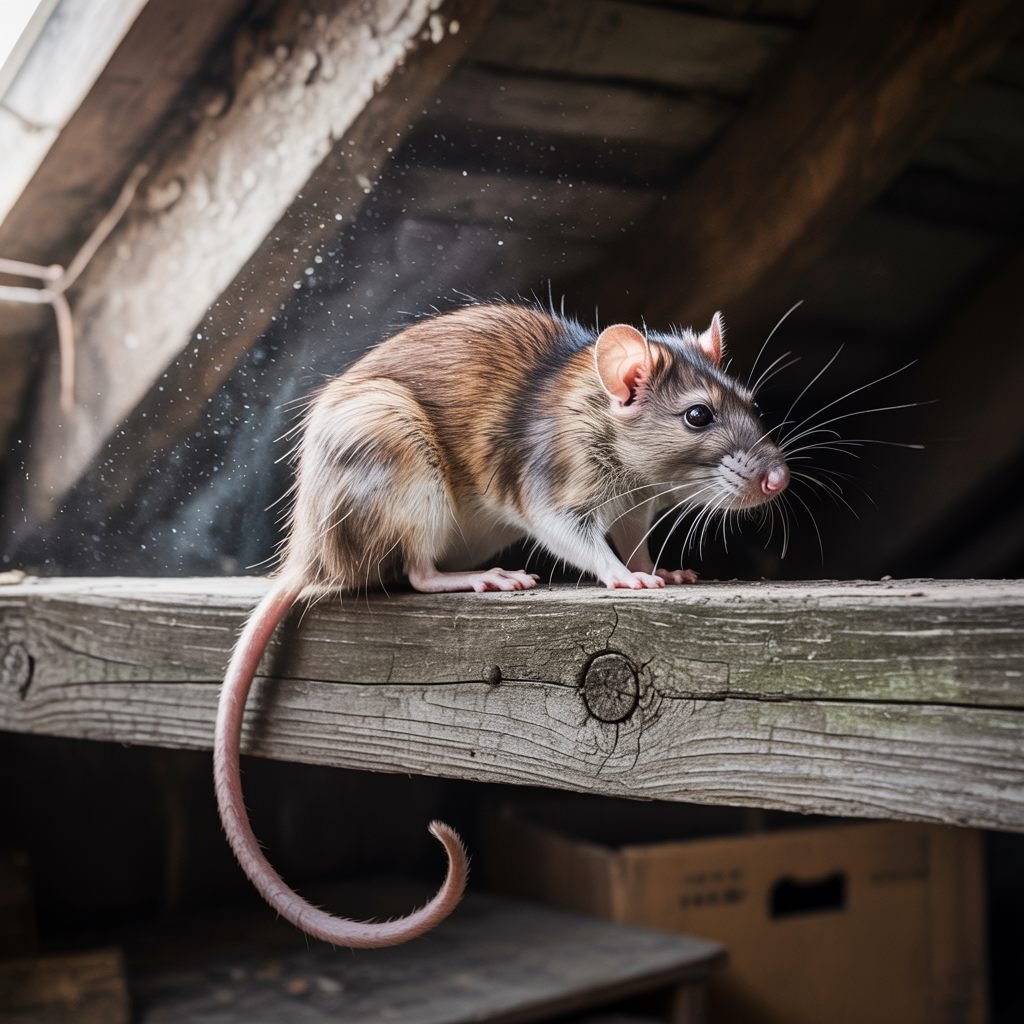
Risk level: high (fire risk from chewed wiring; contamination; year-round in Florida). Roof rats are the most common rat in Tallahassee, well-suited to our tree canopy and mild winters.
How to identify them
- Size & look: sleek body, large ears, and a tail longer than the head and body combined.
- Where: high — attics, rooflines, soffits — reached via tree limbs, utility lines and roofline gaps.
- Signs: nighttime scratching overhead, droppings (about half an inch, pointed ends), gnaw marks, and grease rub-marks along travel routes.
Why they matter
Roof rats chew constantly, including on electrical wiring — a genuine and under-appreciated house-fire risk. They contaminate insulation and food-prep surfaces with droppings and urine, spreading bacteria and triggering allergies, and they reproduce quickly. In Florida's mild winters they never truly go dormant.
What to do
Trapping alone doesn't solve it — an unsealed home just gets reoccupied from the surrounding trees. Effective control is exclusion first (sealing roofline and utility entry points) then trapping to clear the active population, plus sanitation where nesting has contaminated insulation. See rodent control, or book a free inspection. If the noise is in the daytime, it may be squirrels instead.
Ready for a free inspection?
Tell us what you're seeing. A licensed technician identifies the pest and the entry points and quotes an exact price — with no obligation.
More in the pest library
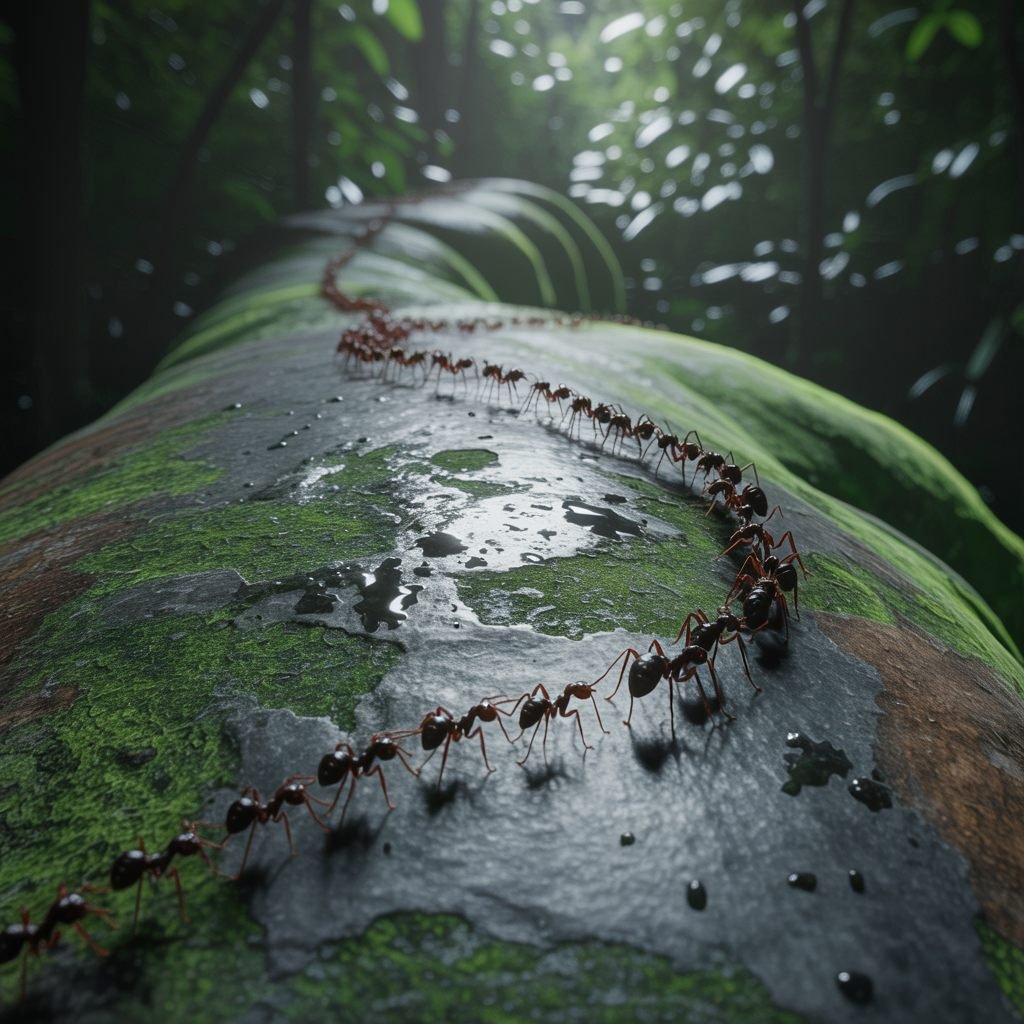
Fire Ants
Reddish-brown stinging ants that build dome-shaped mounds in sunny yards. Their sting is p
Carpenter Ants
Large dark ants that excavate galleries in moist or damaged wood. They don't eat wood like
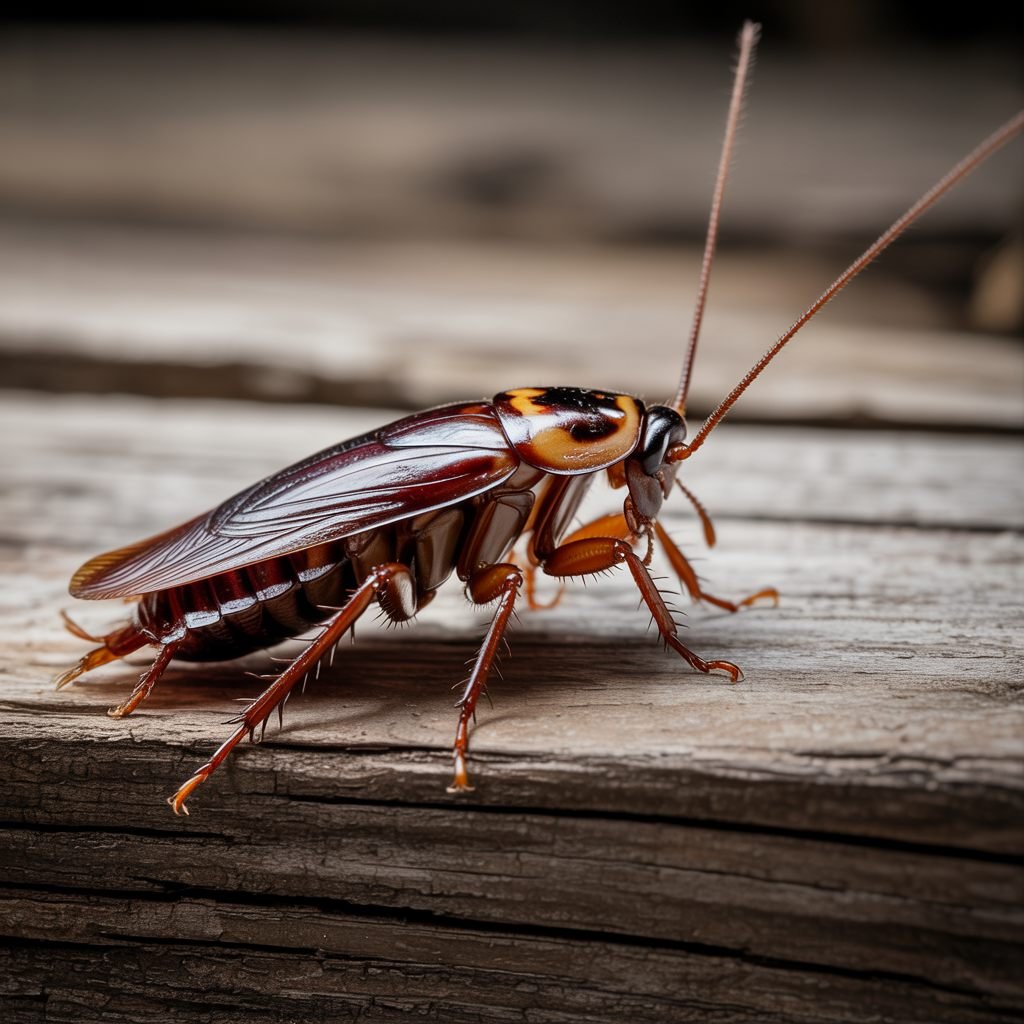
German Cockroach
Small, light-brown, two dark stripes. The true indoor-infesting roach — it breeds fast and
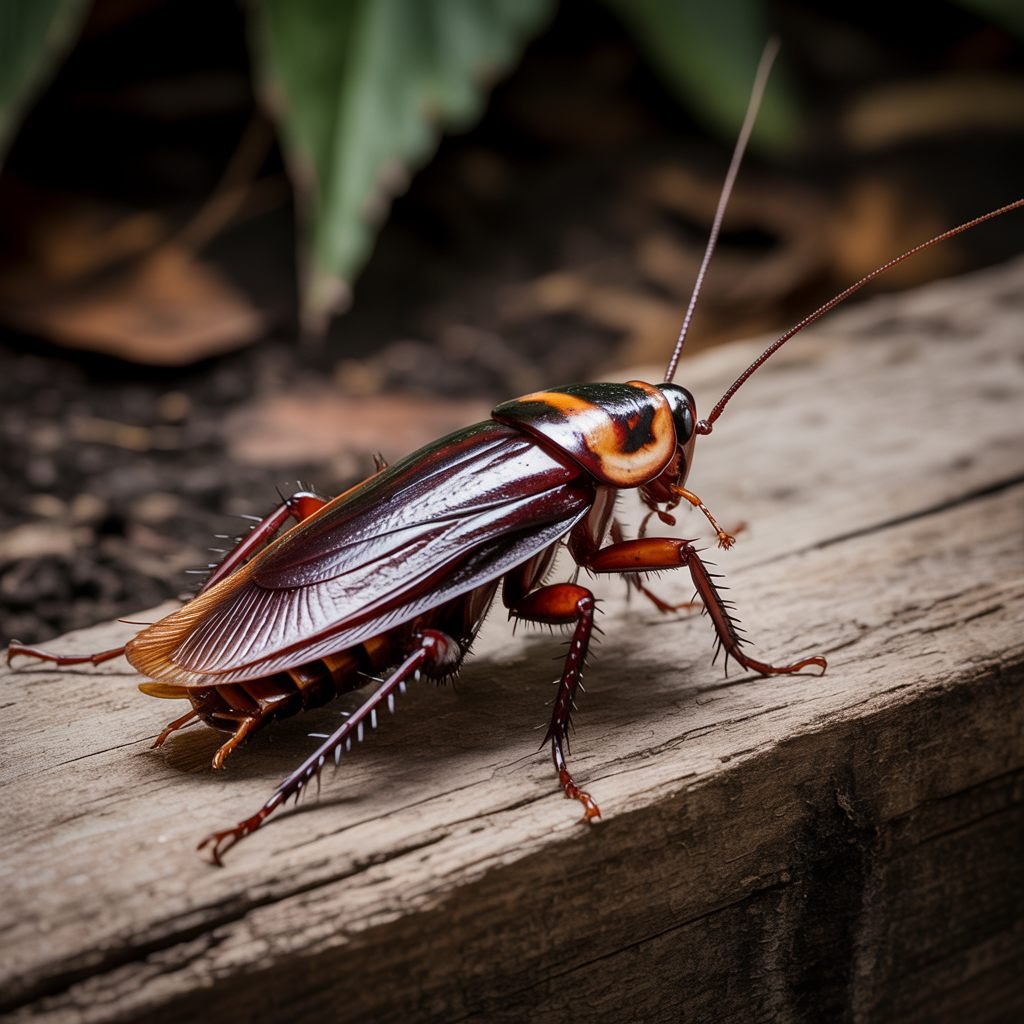
Florida Woods Roach
The large outdoor roach everyone calls a “palmetto bug.” Harmless, doesn't infest homes, a
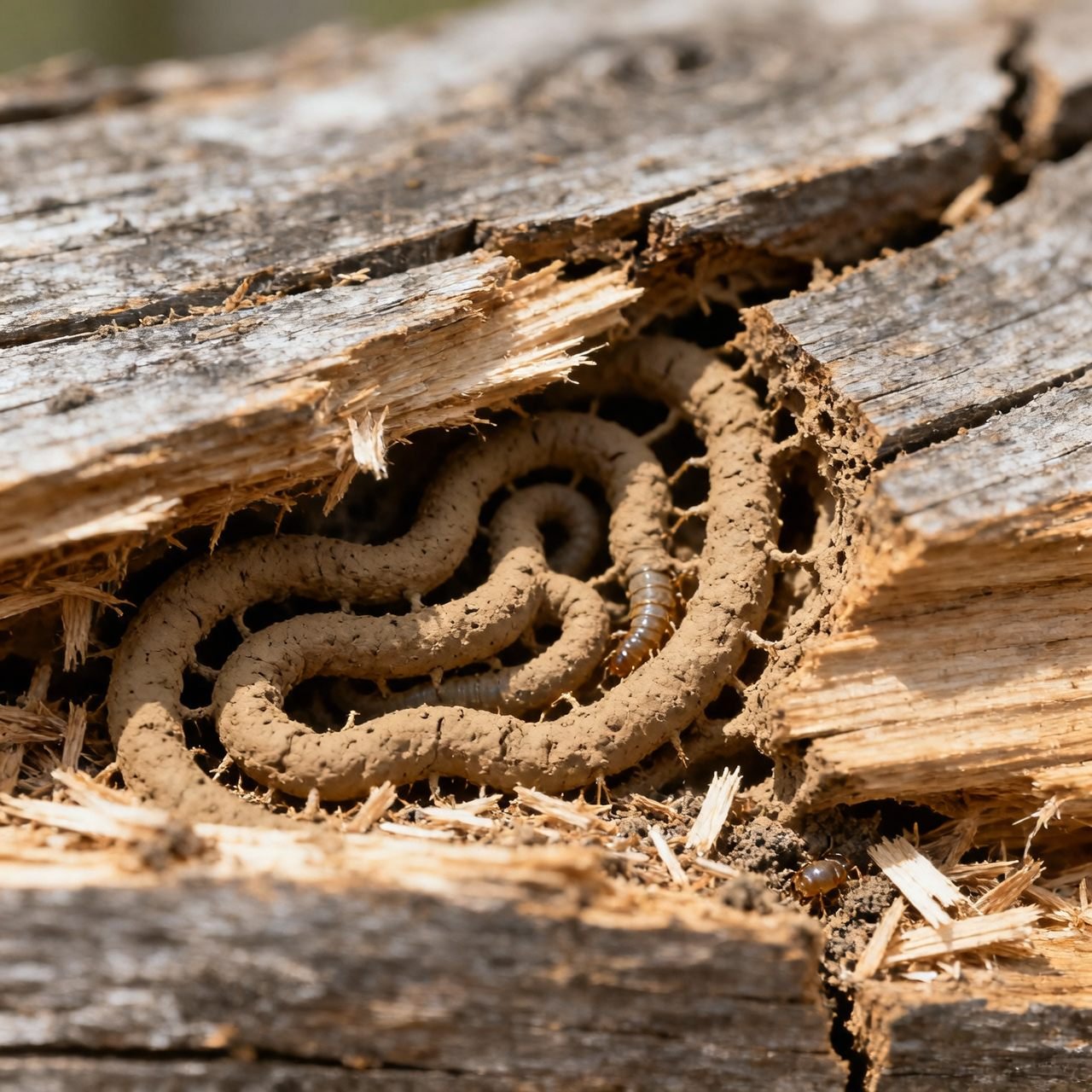
Subterranean Termite
Soil-dwelling termites that build mud tubes to reach your home. The most common and most d
Drywood Termite
Termites that live entirely inside the wood, needing no soil contact. The tell is pellet p