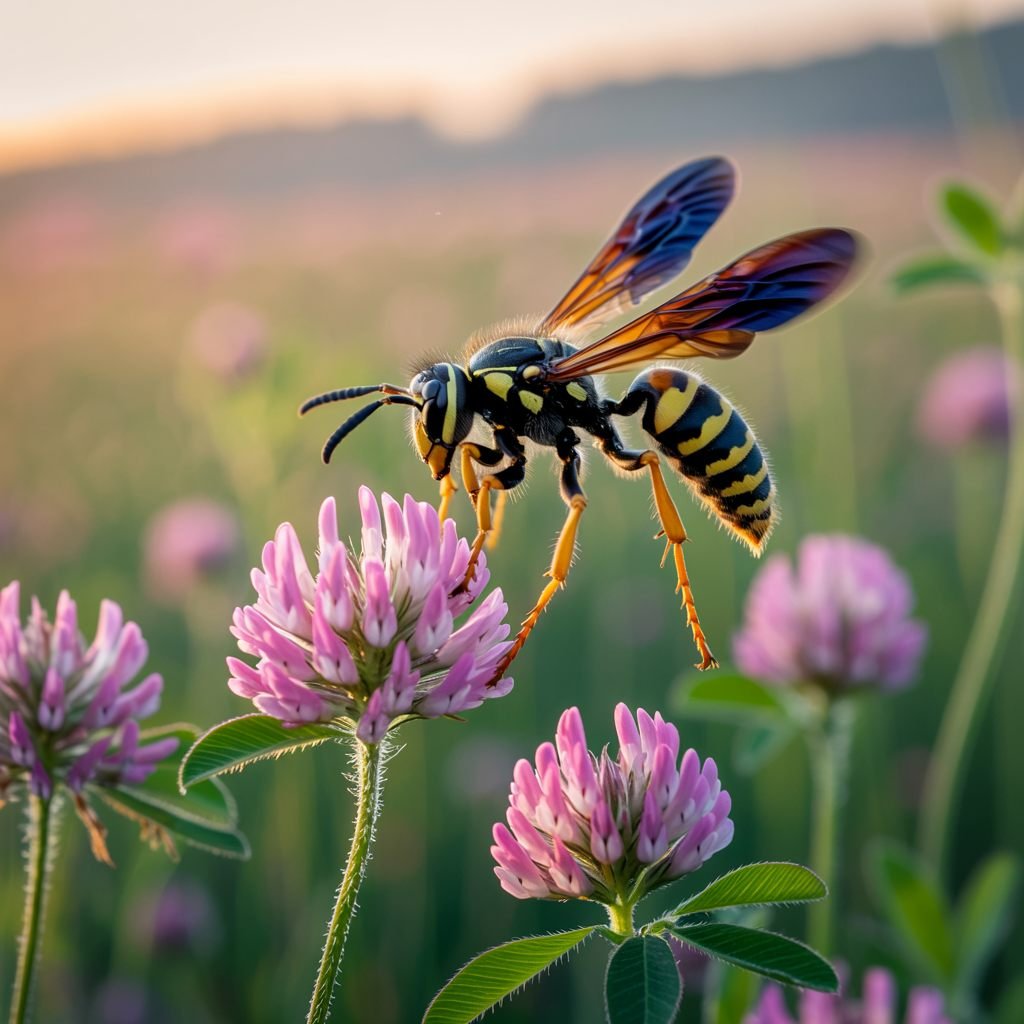
Florida's warm season means stinging insects, and around Tallahassee homes you'll run into paper wasps, yellowjackets, and the big grey "paper football" nests of bald-faced hornets. Some nests you can leave or handle carefully; others are a genuine hazard. Here's how to tell the difference.
Know what you're dealing with
Paper wasps
Slim wasps that build the open, umbrella-shaped combs you see hanging under eaves, railings and in shrubs. Not usually aggressive unless the nest is disturbed. A small, early nest in a low-traffic spot can sometimes be handled carefully.
Yellowjackets
The aggressive ones — bright yellow and black, often nesting in the ground or in wall voids, with colonies that can hold thousands. A ground nest hit by a lawnmower is a classic cause of multiple stings.
Bald-faced hornets
Large black-and-white insects that build the big grey enclosed nests hanging in trees and under overhangs. Highly defensive within several feet of the nest.
When to call a pro
Call for help if: the nest is large or hidden (ground or wall void), it's a yellowjacket or hornet colony, it's near a doorway or high-traffic area, it's high up, or anyone in the household has a sting allergy. These are exactly the situations where DIY goes wrong.
The danger with DIY is real: hardware-store sprays have limited range (so you're standing close to an agitated nest), often miss the queen or the hidden part of the colony, and with yellowjackets and hornets, a partial hit triggers the whole nest to defend — sometimes chasing you a surprising distance. For a sting-allergic person, a nest by the door is a same-day priority.
What you can do safely
For a small, exposed paper-wasp nest early in the season, in a spot you can reach and retreat from, careful evening treatment (when wasps are less active) can work. Anything larger, hidden, in the ground, or near an allergic person is a professional job. See wasp & bee control.
A note on bees: honey bees are valuable pollinators — if you have a honey bee swarm or hive, the right answer is usually live removal/relocation, not extermination. We can help identify and handle it appropriately.
Quick answers
Is it safe to remove a wasp nest myself?
Only a small, exposed paper-wasp nest in an easy-to-reach, low-traffic spot — and never if anyone is sting-allergic. Ground nests, hornet nests, and anything hidden or near a doorway need a pro.
When are wasps most active?
They build through spring and summer, with nests largest and most defensive by late summer/early fall.
Got a nest you're not sure about? Book a free inspection and we'll identify it and remove it safely.
Dealing with this pest right now?
A free inspection identifies the pest, the entry points and an exact quote — in writing, with no obligation.